Pile-free solar where others cannot build.
Three patented systems for renewable energy on water and land: PowerModule™, PeatModule™ and FlexibleMooringSystem™.
Read more about Sunsurf Solar

 powered by

PeatModule™
On top of the ground, completely pile-free.
Ballast instead of piling
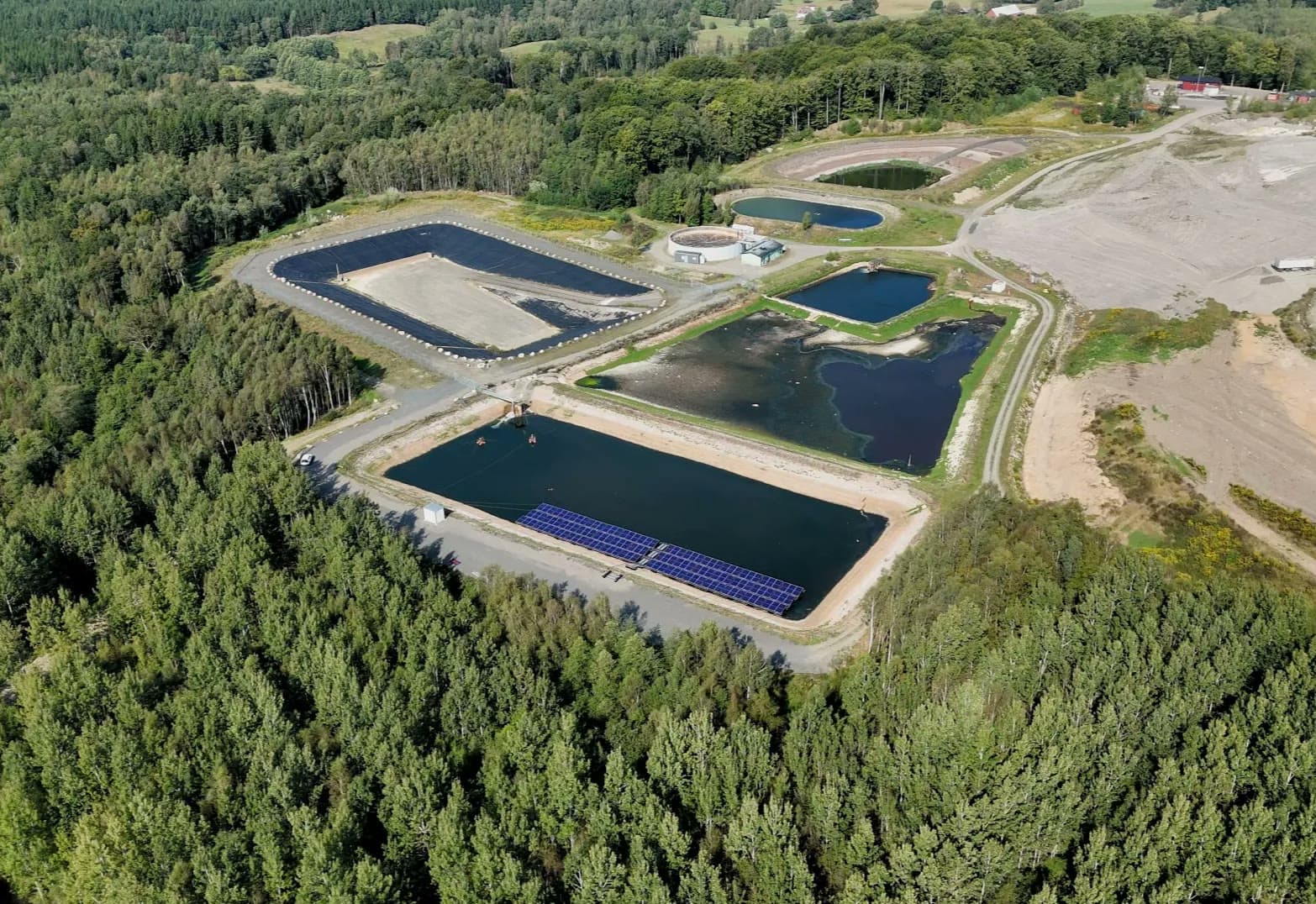
PeatModule™ is a ballasted solar system, developed for peatland, landfills and industrial land – sites where you want to avoid costly groundwork and extensive ground preparation. The structure is designed to Eurocode.
The system is stabilised with ballast, so neither piling nor anchoring is needed. Where the ground risks flooding, the ballast is combined with anchoring to the sides, or outside the peat or wetland area, keeping the system stable even in the most challenging conditions.
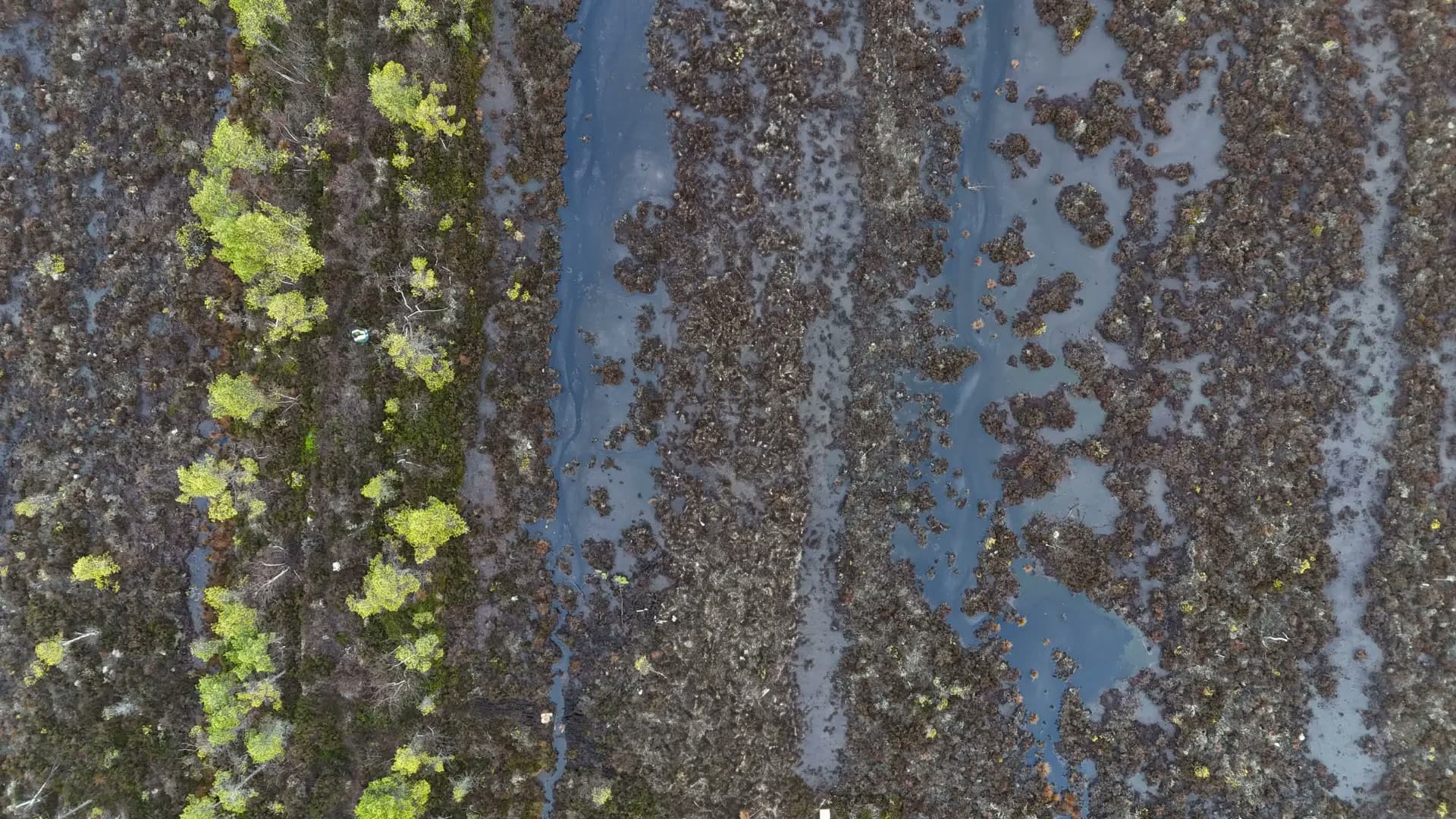
PeatModule™ also suits areas where the ground beneath must be maintained, and where sunlight needs to reach beneath and between the panels.
On peatland and wetlands, where the ground is hard to walk on, the system has an integrated walkway with factory-applied anti-slip ribbing. It gives safe access to panels, cabling and connections during installation, inspection and maintenance – without special equipment.
Features
Pile-free
Stabilised with ballast, so neither piling nor anchoring is needed.
No groundwork
No excavation or extensive ground preparation.
Light to the ground
Sunlight reaches beneath and between the panels, and the ground below can be maintained.
Robust structure
Frame in corrosion-resistant aluminium on UV-stabilised HDPE pontoons.
Modular design
Units with 3–6 solar panels connect in trains and rows and adapt to the required output and irregular areas.
Technical durability
A technical lifetime of 40 years for the frame.
Integrated walkway
A walkway with factory-applied anti-slip ribbing gives safe access to panels, cabling and connections.
Relocatable
Can be disassembled and moved if site conditions or land use change.
Up to 2 MW per hectare
Depending on row spacing, PeatModule™ delivers a power density of 1.7–2 MW per hectare – a space-efficient alternative to ground-mounted solar parks where piling is not possible.
Each unit is a self-contained subunit with an aluminium frame, HDPE pontoons and integrated cable management. The units come as PowerModule™ and PowerModuleDuo™ and hold 3–6 solar panels, which are connected into strings. Inverters are mounted on dedicated platforms or placed directly on the ground.
Units can be joined both in trains and in rows, with row spacing set by site conditions. The modular design lets the system scale to the required output and adapt to irregular areas.
Application areas
Ground where the system makes the biggest difference
- Low load-bearing
Peatland
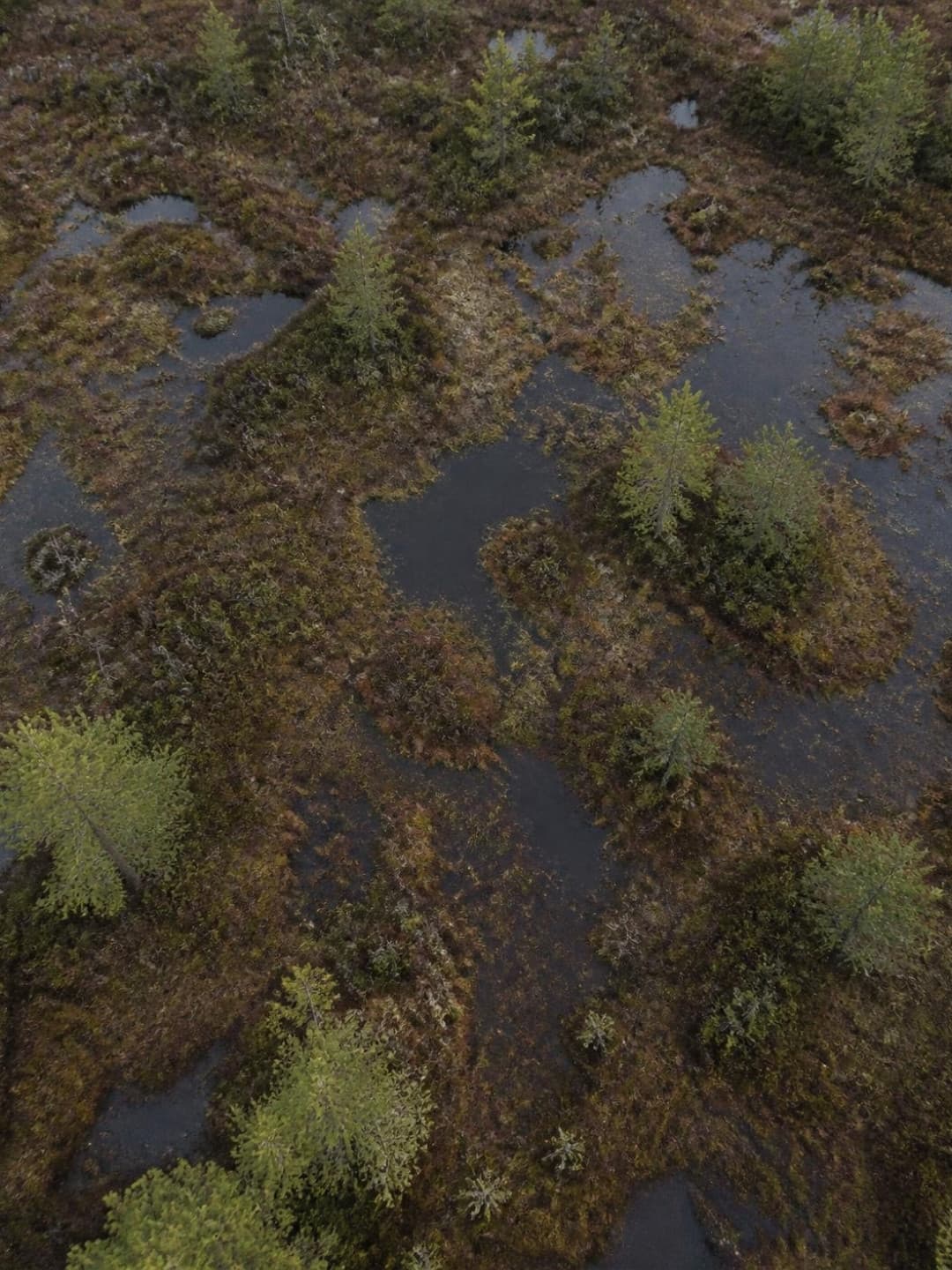
The low load-bearing capacity of peat makes piling difficult. PeatModule™ rests on top of the ground on HDPE pontoons, is stabilised with ballast and handles changes in ground level.
- Wet ground
Bogland
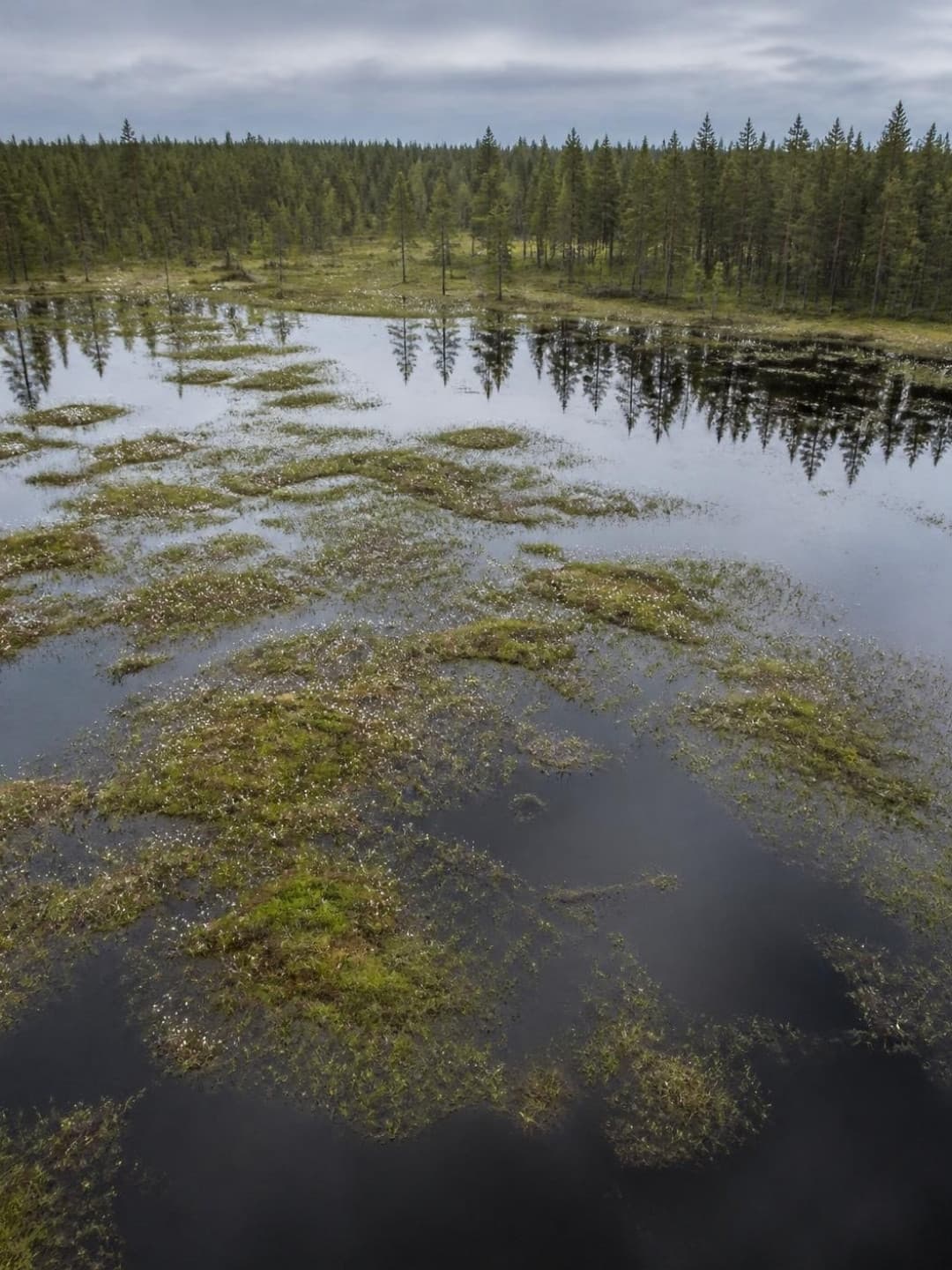
Soft ground with temporary standing water. The system follows the ground’s movements, and the anti-slip walkway makes servicing possible even where the ground is hard to walk on.
- No groundwork
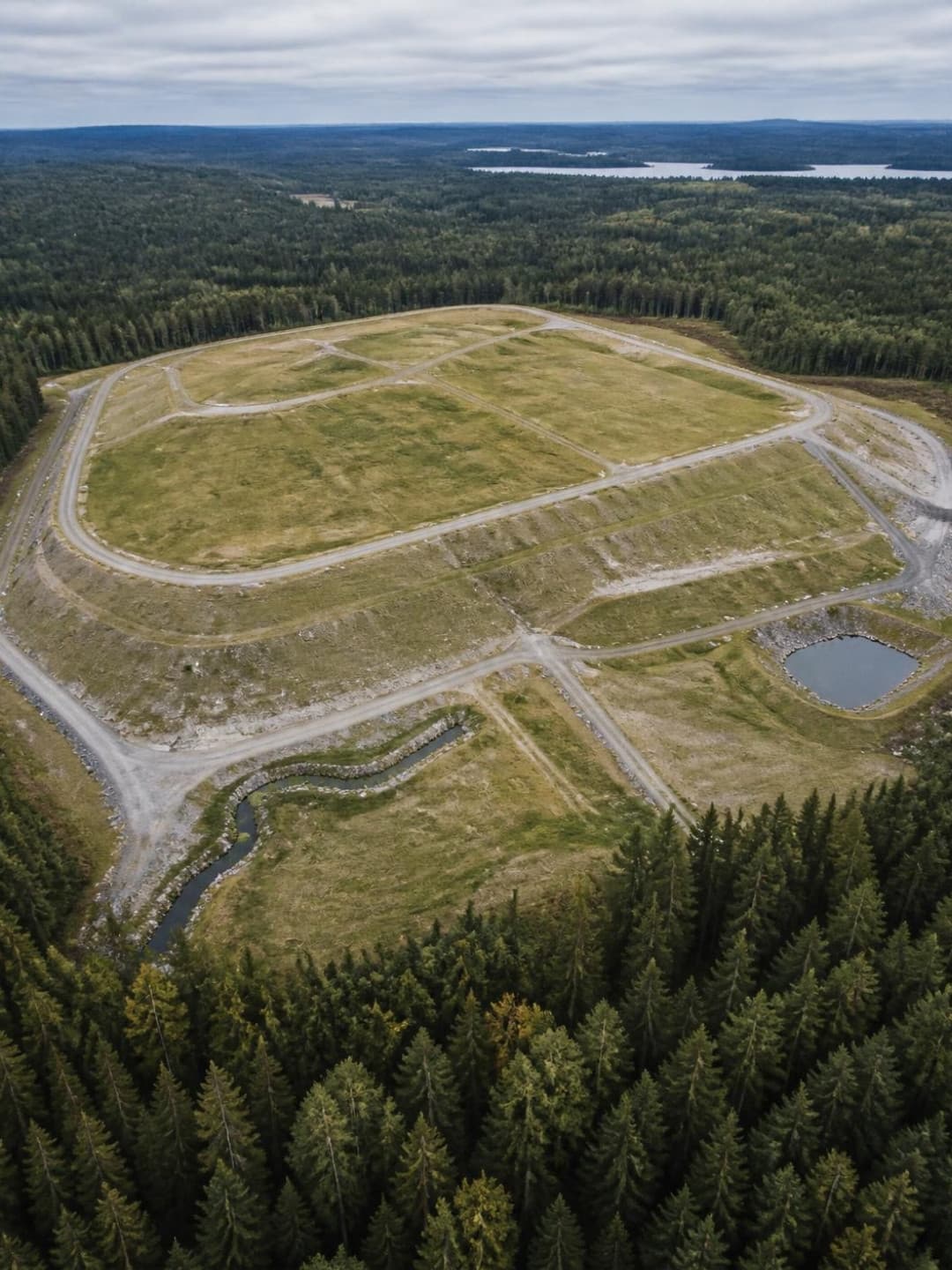
Landfill
No piling and no extensive ground preparation. The ballast keeps the system in place, and the installation can be disassembled and moved if land use changes.
- No anchoring
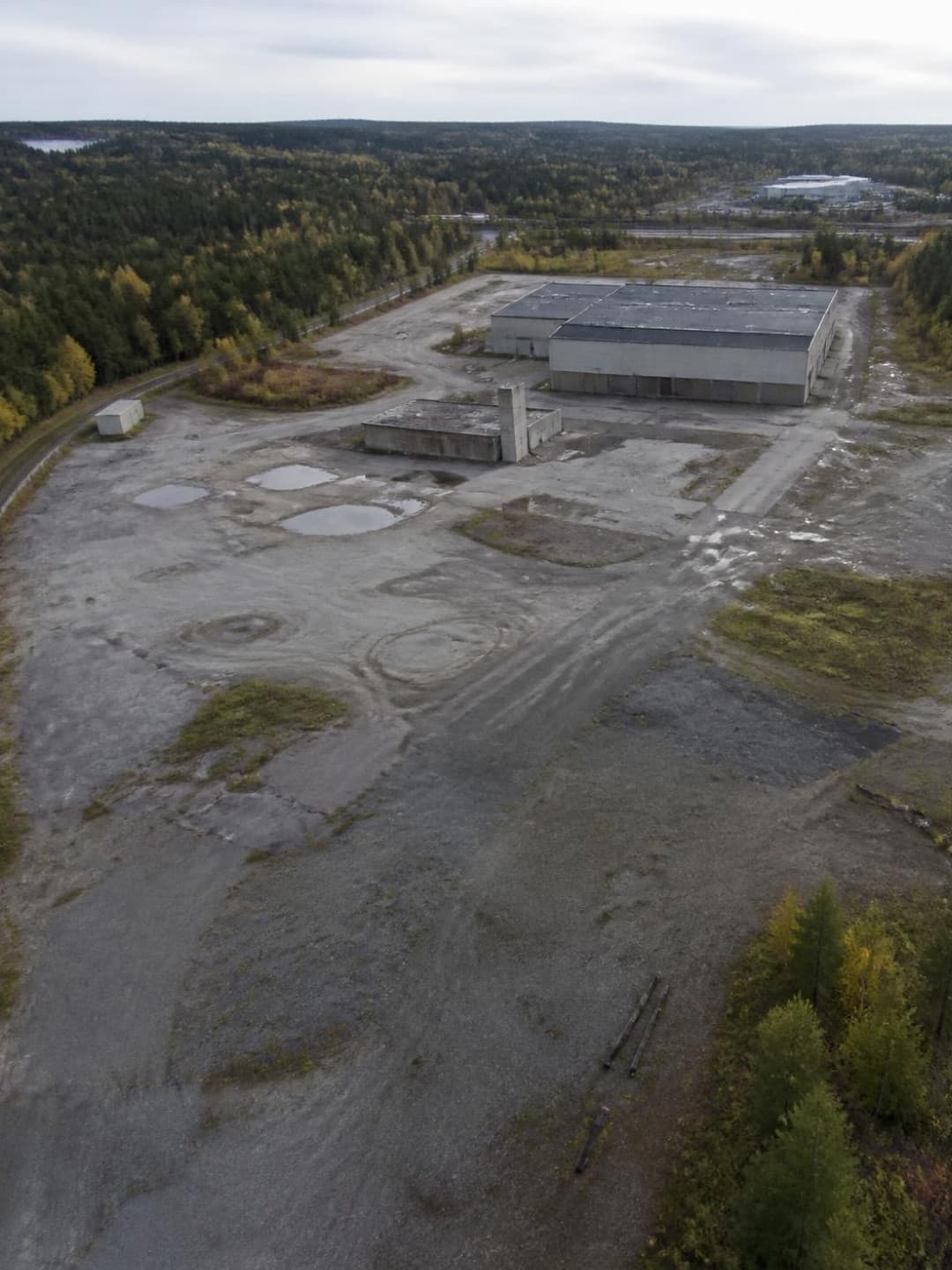
Industrial land
Where groundwork is costly or undesirable, the ballast means neither piling nor anchoring is needed. Units connect in trains and rows and adapt to irregular areas.
Suppliers
Our suppliers are based in the Nordic region, which means short supply chains, high quality and a low climate impact.
Aluminium
Both PowerModule™ and PeatModule™ are made of aluminium for a long life, low weight and high corrosion resistance – stable and durable even in demanding environments such as leachate ponds, landfills and peatland.
The aluminium comes from Nordic raw materials and is processed in Sweden. Manufacturing is done in close cooperation with suppliers certified to ISO 9001 and ISO 14001.
HDPE
The pontoons in both systems are made of high-density polyethylene (HDPE) by suppliers certified to ISO 9001 and ISO 14001. HDPE is corrosion-resistant, suits both fresh and salt water and is highly resistant to UV radiation, mechanical impact and chemicals.
The pontoons are made from recycled HDPE in Finland – a circular choice of material for sustainable production.
How we develop the technology
I spent nine years working on offshore technology, including HVDC platforms, offshore wind and wave power in the Nordic climate. We apply the same design standards to our floating and pile-free solar modules, with quality all the way through, from calculation to physical delivery.
The power market is challenging for everyone who wants to build renewables, so a solar park has to last for decades with low operating costs. That is why our systems have few moving parts, durable materials and a strong structure, and all maintenance is done easily from the walkway.
No two sites are alike. Whether it is a leachate pond, a reservoir or peatland, we start from the conditions on site and adapt the design when the installation has unique needs.
We can do that thanks to close collaboration with our Nordic suppliers. It gives us high quality and short supply chains, and lets us keep developing the technology together.

Martin Örgård
Founder and CTO
Nine years as a naval architect and senior simulation engineer in offshore.
Straight answers
Click a question to read the answer